When it comes to maintaining the delicate machinery of our homes—be it air purifiers, HVAC systems, or specialized filtration units—the thought of calling in a professional service can feel both reassuring and expensive. While professional filter cleaning certainly has its place, sometimes the cost, the time commitment, or the sheer necessity of a deep dive into the service contract makes us look elsewhere. If you've ever stared at a hefty invoice and wondered if there’s a more budget-friendly approach, you’re in the right place. This comprehensive guide will explore practical, effective, and often surprisingly Continue reading simple alternatives to professional filter cleaning, empowering you to take control of your maintenance routine without breaking the bank.
The goal of maintaining clean filters is simple: to keep your system breathing easy. Just as a car needs regular tune-ups to run efficiently, a filtration system needs clean filters to perform optimally. But what does "optimally" mean, and how can we achieve it ourselves?
Understanding the Filter Challenge
Before diving into DIY solutions, it’s crucial to understand why filters get dirty and what the different types of filtration systems require. Knowing the enemy is the first step to victory.
The Science of Grime Buildup
Filter contamination isn't just about dust bunnies; it's a complex cocktail of airborne particulates. We are talking about pet dander, pollen spores, microscopic mold fragments, cooking grease residue, and general atmospheric pollution. This buildup acts like a natural choke point, restricting airflow and forcing your system to work harder—which, ironically, makes it less efficient and potentially damaging.
Identifying Filter Material and Needs
Not all filters are created equal. A furnace filter designed for coarse dust will respond differently than a HEPA filter designed for microscopic allergens. Understanding the material (pleated fiberglass, activated carbon, electrostatic mesh, etc.) is the key that unlocks the appropriate cleaning method. Attempting to clean a delicate, expensive filter with the wrong technique is like trying to negotiate peace with a faulty vacuum cleaner—you just end up with a lot of mess.
Low-Cost DIY Cleaning Methods
The most immediate and satisfying alternatives to professional filter cleaning involve utilizing household items and basic tools. These methods are generally best suited for washable, non-specialized filters and require careful execution.
Vacuuming and Brushing Techniques
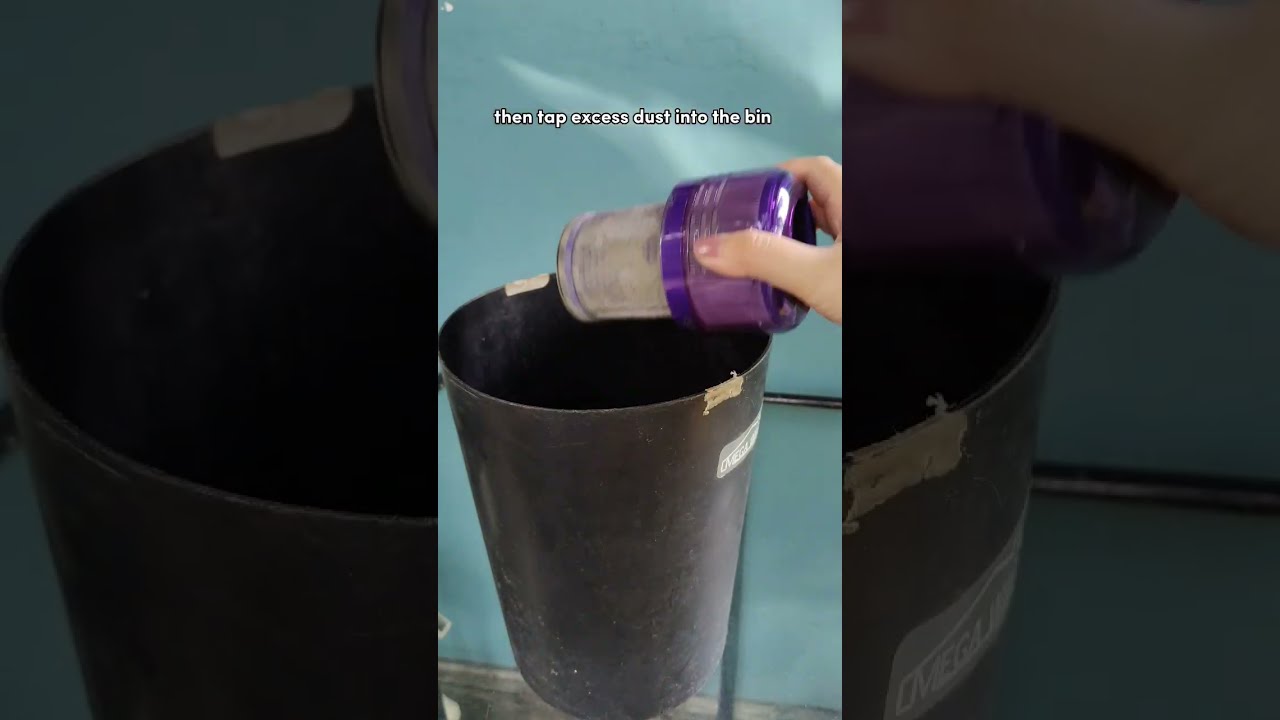
For washable filters, a gentle approach is paramount. Never use high-powered suction directly on the filter material, as this can tear or dislodge the delicate mesh. Instead, use a vacuum cleaner attachment with a soft brush head to gently remove surface debris.
- Use a soft brush: A clean, dry paintbrush or a dedicated brush attachment works wonders for lifting visible dust. Vacuum in stages: Pass the brush over the surface, then gently vacuum the loosened debris. The "blowing" method: Sometimes, a quick blast of compressed air (used cautiously, keeping the nozzle several inches away) can dislodge trapped particles.
The Bath and Rinse Method
Some sturdy, washable filters can be cleaned using water. This process is surprisingly effective at removing accumulated grime.
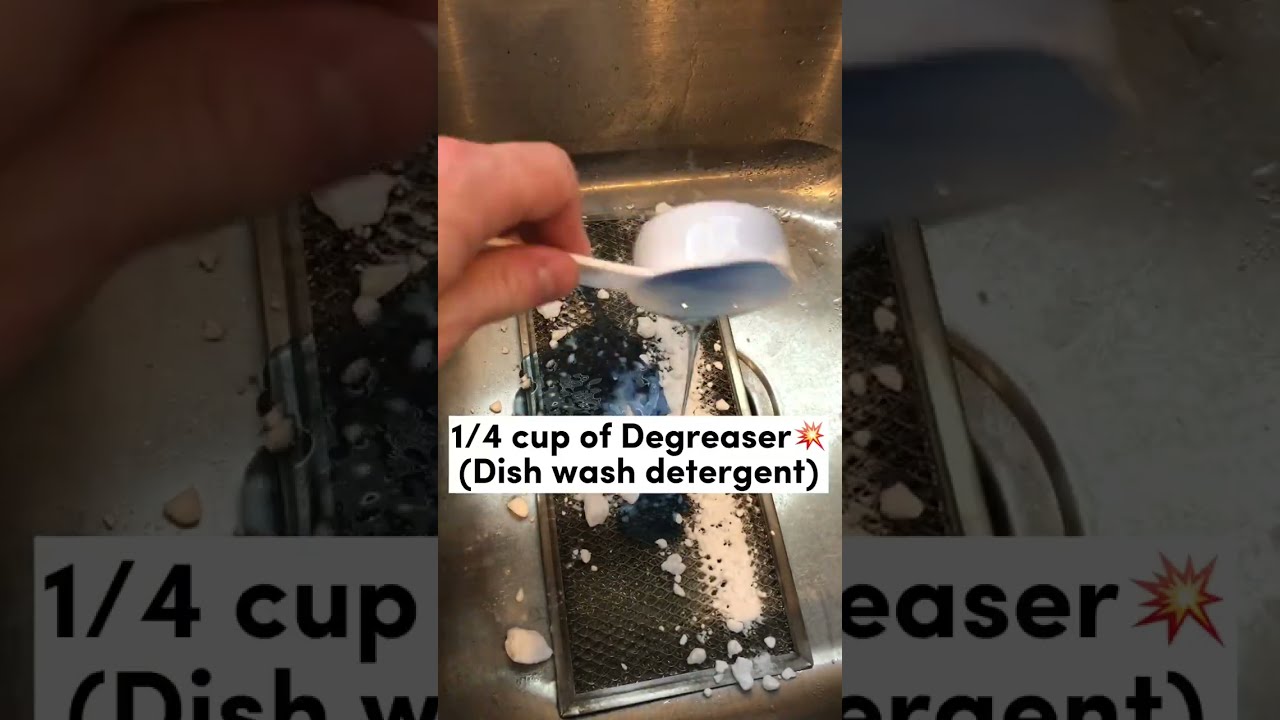
- Pre-soak: Soak the filter in lukewarm water for 15-20 minutes to loosen sticky residues. Gentle scrubbing: Use a very mild soap (like dish soap) and a soft brush to gently scrub the surface. Rinse thoroughly: Rinse under cool, running water until all soap residue is gone.
Anecdote: I once saw a homeowner attempt to deep-clean a specialty carbon filter by submerging it in vinegar and boiling it. The resulting smell was less "clean home" and more "abandoned swamp," proving that some filters are best left to the experts, or perhaps, simply replaced.
Commercial and Advanced Alternatives
When DIY methods aren't enough, or if the filter material is too delicate for simple washing, several intermediate steps can serve as excellent alternatives to professional filter cleaning.
Specialized Filtration Cleaning Kits
The market has responded to the DIY trend by creating dedicated cleaning kits. These kits often contain specialized brushes, mild, non-abrasive cleaning solutions, and instructions tailored to specific filter types. These professional-grade kits bridge the gap between basic household cleaning and expensive service calls.
Ozone Generator Usage (With Caution)
For certain types of filters and air quality issues, some advanced users opt for ozone generators. However, this is a powerful tool and must be used with extreme caution. Ozone can be highly effective at neutralizing biological contaminants, but it is toxic at high concentrations. Always follow manufacturer guidelines and ensure proper ventilation.
"The best filter is the one you maintain. Prevention is always easier than remediation." - A quote on maintenance wisdom.
Recognizing the Limits of DIY Care
While these methods are effective, it is critical to remember that some filters, particularly those with HEPA ratings or complex electrostatic coatings, are designed to be single-use. Their effectiveness lies in their microscopic structure, and aggressive cleaning can compromise that structure, rendering them useless.
Extending Filter Life and Maximizing Cleanliness
To truly minimize the need for intensive cleaning or replacement, a holistic approach to air quality is necessary.
Lifestyle Adjustments
Our daily habits significantly impact filter life. Consider these simple changes:
- Vacuuming: Use a vacuum equipped with a HEPA filter and clean the vacuum regularly. Cooking: Always use range hoods and vent filters when cooking to capture grease before it reaches the HVAC system. Pet care: Regular bathing and grooming of pets can reduce the amount of dander circulated.
Maintenance Schedule and Monitoring
The most valuable tool in your maintenance arsenal is a good schedule. Don't wait for your system to smell musty or for visible dust buildup to become alarming.
- Inspect Monthly: Make it a habit to visually inspect your filters every month. Follow Manufacturer Guidelines: Always cross-reference your cleaning efforts with the filter manufacturer’s recommendations. Change, Don't Just Clean: When in doubt, replacement is the safest, most effective, and sometimes cheapest option.
Making Your Selection Count
Ultimately, the ideal approach to filter maintenance is a blend of vigilance, knowledge, and appropriate tools. By understanding the science behind filtration and mastering these alternatives to professional filter cleaning, you gain confidence and save money. Remember that keeping your system running smoothly is not just about the air quality; it's about protecting your home's efficiency and your family's health.
By adopting these proactive steps—whether it's a simple rinse, a dedicated vacuuming session, or a lifestyle change—you ensure that your filtration system continues to perform like a finely tuned instrument, breathing easy and keeping your indoor air as fresh as possible. Start small, be consistent, and watch the difference a little DIY effort can make!